


DON'T BE FOOLED | How To Spot a Lie, an Advert and a Trick, for Kids 6 to 12
DON'T BE FOOLED | How To Spot a Lie, an Advert and a Trick, for Kids 6 to 12
Digital & Printable Version
The goal is not a child who believes nothing. That is just as easy to fool, and far more tiring to live with. The goal is a child who asks how you know, calmly, of anybody, including themselves.
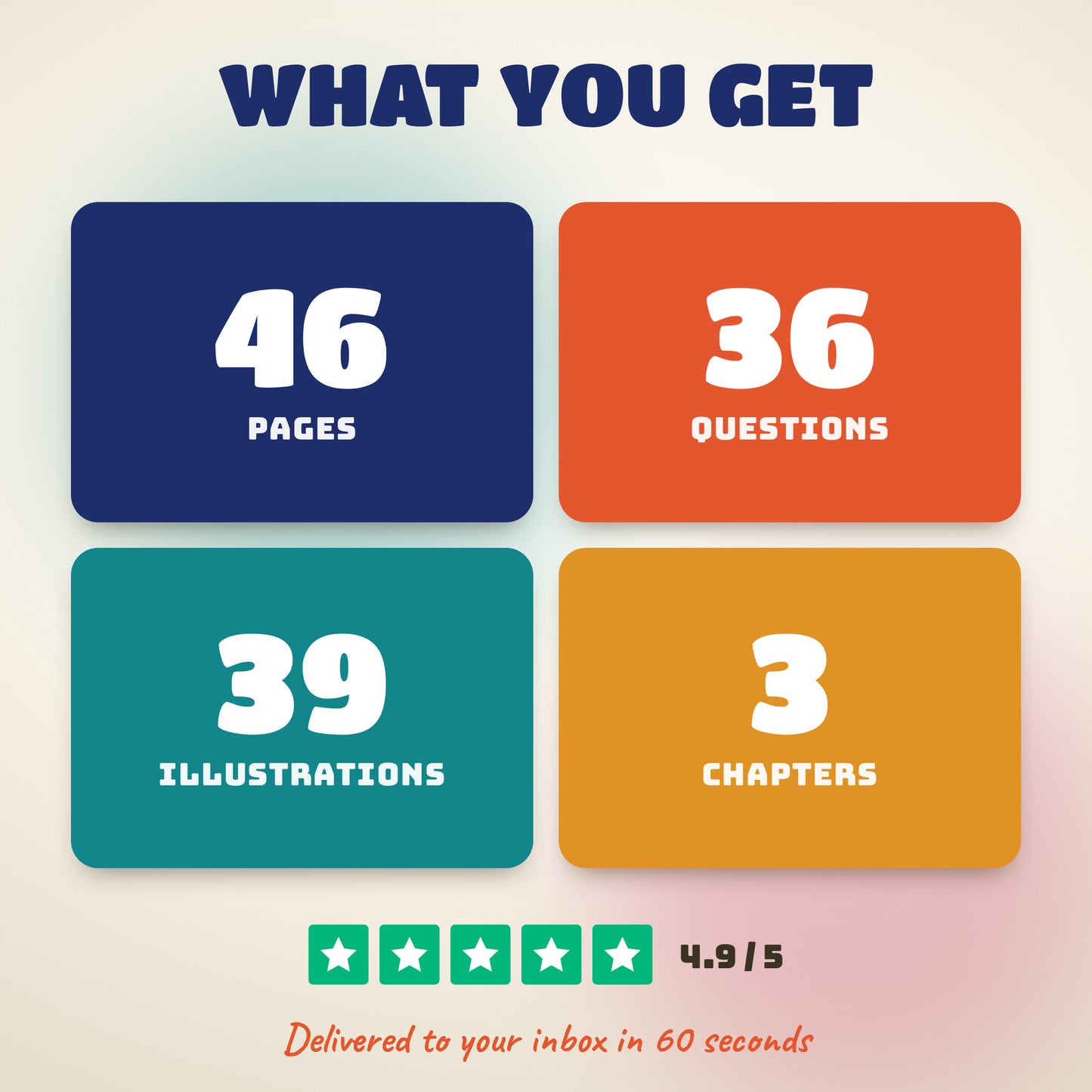
📊 36 questions about who is trying to fool them
📊 Grounded in real research, not scare stories
📱 Instant access, start reading tonight
✅ Read on any screen, or print any page you like
📚 VISUAL FRAMEWORKS | INSTANT DIGITAL ACCESS 🎯
Couldn't load pickup availability


Your child meets more persuasion before breakfast than you met in a week.
Adverts that do not look like adverts, rumours that travel faster than facts, and a brain that sees faces in clouds. DON'T BE FOOLED teaches the question that beats all of it: how do you know?
“The goal is not a child who believes nothing. It is a child who asks how you know.”
From the book
“People who are telling the truth never mind the question.”
From the book
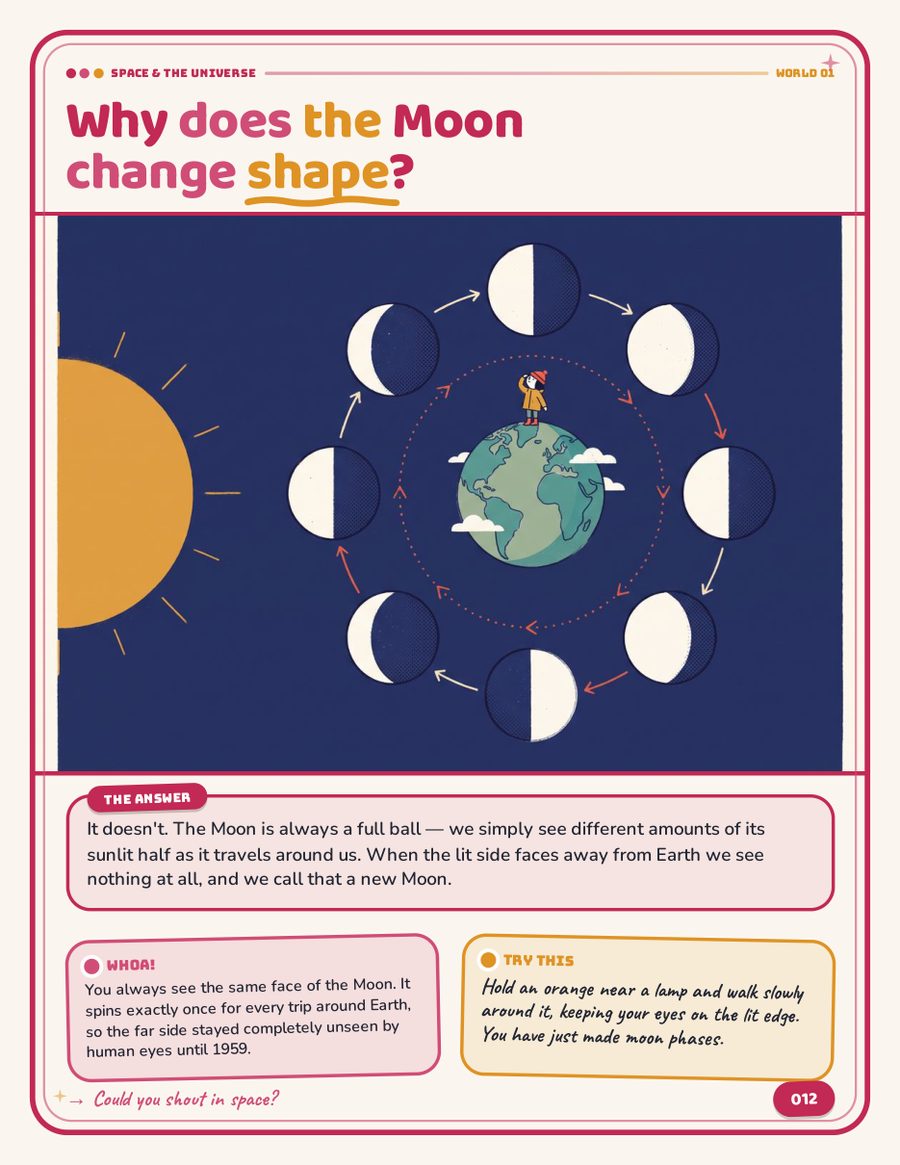
HOW EVERY PAGE WORKS
The honest answers.
No. Nothing here says what to distrust. It explains how tricks work, because once you see the mechanism you stop falling for it.
Adverts and influencers, fake photos and chain messages, luck, coincidence and the tricks your own brain plays.
Six to twelve. Fair warning: several of these catch adults far more often than children.
